
Description
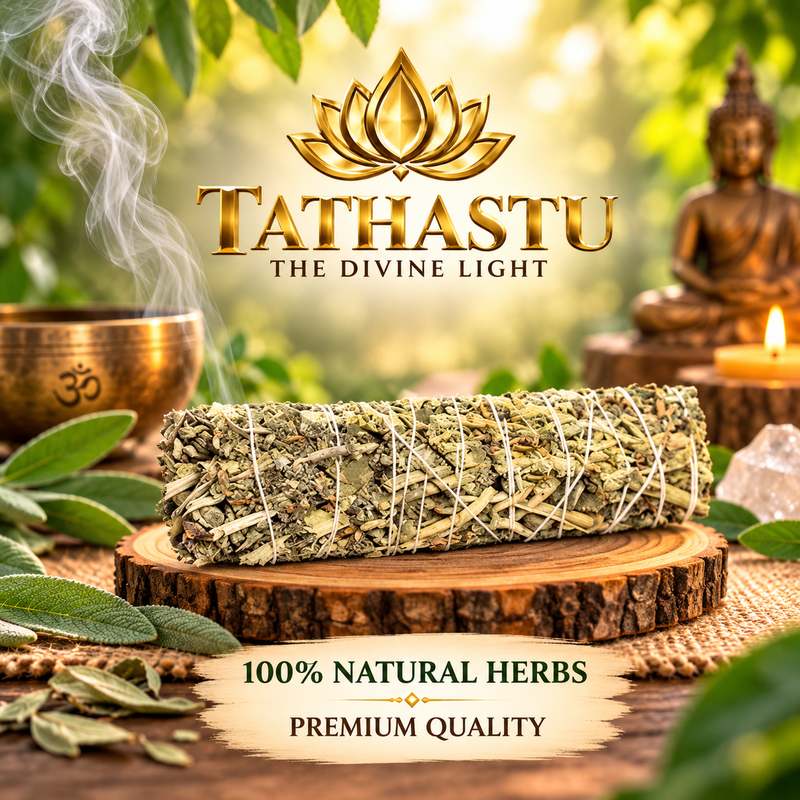
In Indian and Vedic traditions, smudging or smoke cleansing is known as Dhupana (धूपन) or Dhoop/Havan. Governed by the principles of Ayurveda and sacred rituals, Indian sage smudging uses native medicinal plants, sacred woods, and natural tree resins to cleanse spaces, purify the subtle energy body (Pranamaya Kosha), and eliminate airborne pathogens .
1. Key Traditional Indian Botanicals & Resins
-
Guggul (Commiphora mukul): A sacred golden-brown resin revered in Ayurveda as a premier purifying agent. It produces a rich, earthy, balsamic smoke that dispels dense, stagnant vibrations and negative planetary influences.
-
Loban / Sambrani (Benzoin / Indian Frankincense): Sourced from tree resins, it releases a sweet, temple-like white smoke widely used across India to clear emotional heaviness, neutralize the “evil eye” (Nazar), and invite positive spiritual energies.
-
Tulsi (Holy Basil / Ocimum sanctum): Dried leaves and stems are burned to infuse the atmosphere with Sattva (purity, light, and peace), elevate the home’s spiritual frequency, and dispel grief.
-
Neem (Azadirachta indica): An essential Krimighna (antimicrobial and antiparasitic) herb. Burning dried neem leaves is a traditional practice to disinfect sickrooms, neutralize toxins, and deter pests.
-
Bhimseni Camphor (Karpura): Burns cleanly without leaving ash, symbolizing the dissolution of the ego. It instantly breaks stagnant energetic blockages and clears mental dullness.
-
Jatamansi (Spikenard / Nardostachys jatamansi): A calming root herb used in sacred blends to soothe hyperactive thoughts, relieve severe stress, and ground the nervous system .
-
Yellow Mustard Seeds (Sarson) & Ajwain (Carom): Classified as Rakshoghna (protective) herbs, frequently burned over embers to dispel negative psychic impressions and domestic disharmony.
2. Core Spiritual & Energetic Benefits
-
Cultivating a Sattvic Environment: Ayurvedic smoke cleansing shifts the ambient energy of a room from Tamas (lethargy, stagnation) and Rajas (restlessness, stress) into Sattva (harmony, clarity, and peace).
-
Warding Off Negative Influences (Nazar Nivaran): Resins like Loban and Guggul combined with mustard seeds have been used for generations in Indian homes to dispel envy, negative intentions, and heavy psychic residue.
-
Aura Cleansing & Subtle Field Reset: Wafting the fragrant smoke around oneself clears energetic fatigue, anxiety, and sluggishness, aligning the energy centers along the spine.
3. Scientific & Ayurvedic Health Benefits
-
Reduction of Airborne Bacteria: Scientific research (such as studies conducted on traditional Havan/Dhupana smoke at the National Botanical Research Institute in Lucknow) has demonstrated that burning traditional medicinal herbs significantly reduces airborne pathogenic bacteria for extended periods .
-
Respiratory & Sinus Decongestion: The volatile aromatic compounds in herbs like camphor, tulsi, and ajwain help clear nasal passages and reduce excess Kapha (mucus and heaviness) in the chest and sinuses.
-
Natural Insect & Mosquito Repellent: The smoke of neem, guggul, and loban acts as a safe, plant-based pest deterrent without synthetic chemicals.
4. Mental Calm & Meditative Focus
-
Nervous System Soothing: The rich, balsamic scent profile of traditional dhoop acts directly on the olfactory system, signaling the brain to reduce stress and physical tension.
-
Sanctification for Puja and Meditation: The aroma triggers an immediate psychological association with peace, temple sanctity, and mindfulness, preparing the mind for silent prayer, japa, or breathwork.
Practical Application
-
Preparation: Burn the herbs or resins over a lit natural coconut charcoal disc or small cow-dung cake (Upla) placed in a traditional clay or brass burner (Dhoop Dani).
-
Ventilation: Keep doors and windows open during and after the ritual so that the smoke, along with stagnant energy and indoor impurities, can disperse easily.
-
Safety: Ensure the burner is set on a heatproof base, away from curtains or flammable materials, and allow the charcoal to cool completely to ash.
Customer Reviews
There are no reviews yet.